
ralentina recenserade Ducks: Two Years in the Oil Sands av Kate Beaton
An harrowing account of a particularly shitty workplace
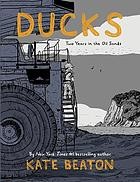
Pursuing a humanities degree has left Kate saddled with a huge student debt and the only way she sees to pay it back is to go and work in the Alberta oil fields. Life in the camps is quite miserable: the same grind day in, day out, toxic dust and sludge that irritates the skin and kills ducks, an unsafe work environment with many work victims and, for Kate and the few women in the job, a daily experience of sexual harassment and, not infrequently, sexual violence. The drawings are simple, like a comic strip, and the narrative is very repetitive; intentionally, I think: every day is cold and filled with sexist comments. Something I enjoyed is how Kate is determined to not demonise the men around her, and tries to understand how they can be loving fathers to some distant daughters and absolute creeps to her. Loneliness and alienation …
Pursuing a humanities degree has left Kate saddled with a huge student debt and the only way she sees to pay it back is to go and work in the Alberta oil fields. Life in the camps is quite miserable: the same grind day in, day out, toxic dust and sludge that irritates the skin and kills ducks, an unsafe work environment with many work victims and, for Kate and the few women in the job, a daily experience of sexual harassment and, not infrequently, sexual violence. The drawings are simple, like a comic strip, and the narrative is very repetitive; intentionally, I think: every day is cold and filled with sexist comments. Something I enjoyed is how Kate is determined to not demonise the men around her, and tries to understand how they can be loving fathers to some distant daughters and absolute creeps to her. Loneliness and alienation are the answers she comes up with.
Something that I found maybe slightly problematic is her handling of indigenous people and their claims to the land that is being destroyed. She explains that, as a just-graduated twenty-something, she was barely aware of this issue, which is fair enough. And to be clear: I believe that we should always be curious and outraged when people are exploited and made to suffer. But the book was published a good 15 years after the end of the story, so possibly it's a shame she didn't wave this more into the stories.