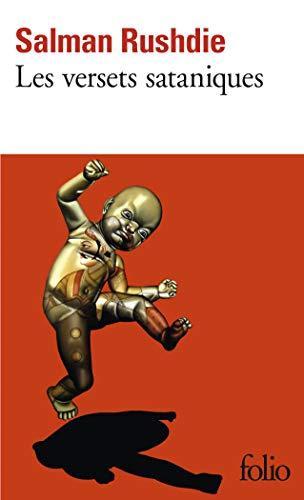

jon_bon@bookwyrm.social recenserade The Satanic Verses av Salman Rushdie
Helflippad, tar sig
4 stjärnor
De två huvudkaraktärerna är Gibreel Farishta och Saladin Chamcha, Bollywood-stjärna respektive anglofil röstskådespelare.
I början, kanske första fiärdedelen av boken, är det nästan outhärdligt. Helflippat. Kanske som Liftarens guide till galaxen fast skriven på snobbengelska med absurt långa meningar. Man suckar.
Men sedan tar den sig. Man kommer mer in i Gibreels och Saladins lidanden och psykotiska upplevelser. Båda blir hundra procent ofrivilligt själsligt och fysiskt kidnappade så att de ska tilldelas rollerna som Ängeln Gabriel (Gibreel) och Satan (Shaitan). På vissa sätt speciellt jobbigt för Gibreel som blir offer för människor som helt enkelt bestämmer vad han ska säga, som Mahound. Sistnämnda är motsvarighet till profeten Muhammed och sannolikt en av anledningarna till att vissa muslimer har blivit helgalna. Ayatollor, fatwor mot författaren osv.
Sammanfattningsvis skulle jag säga att det går att komma in i de olika karaktärerna. Trots att det är rätt drygt med tidvis …
De två huvudkaraktärerna är Gibreel Farishta och Saladin Chamcha, Bollywood-stjärna respektive anglofil röstskådespelare.
I början, kanske första fiärdedelen av boken, är det nästan outhärdligt. Helflippat. Kanske som Liftarens guide till galaxen fast skriven på snobbengelska med absurt långa meningar. Man suckar.
Men sedan tar den sig. Man kommer mer in i Gibreels och Saladins lidanden och psykotiska upplevelser. Båda blir hundra procent ofrivilligt själsligt och fysiskt kidnappade så att de ska tilldelas rollerna som Ängeln Gabriel (Gibreel) och Satan (Shaitan). På vissa sätt speciellt jobbigt för Gibreel som blir offer för människor som helt enkelt bestämmer vad han ska säga, som Mahound. Sistnämnda är motsvarighet till profeten Muhammed och sannolikt en av anledningarna till att vissa muslimer har blivit helgalna. Ayatollor, fatwor mot författaren osv.
Sammanfattningsvis skulle jag säga att det går att komma in i de olika karaktärerna. Trots att det är rätt drygt med tidvis fyra kilometer långa meningar på någon sorts Oxford-engelska, så kommer man efter hand verkligen in i boken. Ovanligt lång startsträcka i den bemärkelsen.