
RexLegendi recenserade Paradise av Abdulrazak Gurnah
Africa's godfather
4 stjärnor
In a way, Paradise by Abdulrazak Gurnah (1948) serves as a counterpart to Chinua Achebe’s Things Fall Apart. Whereas Achebe recounts the story of a West African tribe centred on agrarian culture encountering British colonialism, Gurnah’s novel explores East African communities centred on trade encountering German colonialists. The author makes the complexity and variety of late-19th-century cultural and political relations in present-day Tanzania tangible. By choosing the perspective of a twelve-year-old boy, he invites the reader to wonder along with him. Like his protagonist Yusuf, it took me some time to realise that ‘Uncle' Aziz is, in fact, something of a ‘Godfather’ figure, exploiting his ‘clients’ and taking their children as collateral. Gurnah’s world is a bitter one, where human life has little value, children become adults at a young age, and violence is part of everyday life. What struck me most is how Yusuf – and with him, …
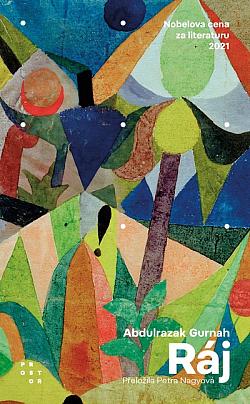
In a way, Paradise by Abdulrazak Gurnah (1948) serves as a counterpart to Chinua Achebe’s Things Fall Apart. Whereas Achebe recounts the story of a West African tribe centred on agrarian culture encountering British colonialism, Gurnah’s novel explores East African communities centred on trade encountering German colonialists. The author makes the complexity and variety of late-19th-century cultural and political relations in present-day Tanzania tangible. By choosing the perspective of a twelve-year-old boy, he invites the reader to wonder along with him. Like his protagonist Yusuf, it took me some time to realise that ‘Uncle' Aziz is, in fact, something of a ‘Godfather’ figure, exploiting his ‘clients’ and taking their children as collateral. Gurnah’s world is a bitter one, where human life has little value, children become adults at a young age, and violence is part of everyday life. What struck me most is how Yusuf – and with him, thousands of others – has no say in decisions affecting him and even finds equanimity in his life of captivity. I will gladly read more of this Nobel Prize winner’s work in the future.