Björn recenserade Det förlorade barnet av Johanna Hedenberg
None
4 stjärnor
At the end, we have to return to the beginning; that's what she set up all those pages ago before I went on this long trip of genius (not hers, her subject's) with her. Two dolls thrown into a dark cellar in a violent town built on an ancient garbage heap, next to a volcano that can blow up any time.
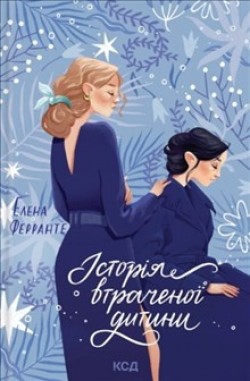
The Lost Child (as with all the books, a fairly straight-forward double meaning) takes its sweet time, the thickest of all four of the books, and as much as I love reading Ferrante there are stretches that feel padded, unedited. Of course, that might be deliberate; Elena-the-narrator is only a decent-to-good author, after all. And she still largely ignores the bits that would have made for a more conventional story - the Solaras and Pelusos, who might have made for a more riveting story of crime and terrorism and …
At the end, we have to return to the beginning; that's what she set up all those pages ago before I went on this long trip of genius (not hers, her subject's) with her. Two dolls thrown into a dark cellar in a violent town built on an ancient garbage heap, next to a volcano that can blow up any time.
The Lost Child (as with all the books, a fairly straight-forward double meaning) takes its sweet time, the thickest of all four of the books, and as much as I love reading Ferrante there are stretches that feel padded, unedited. Of course, that might be deliberate; Elena-the-narrator is only a decent-to-good author, after all. And she still largely ignores the bits that would have made for a more conventional story - the Solaras and Pelusos, who might have made for a more riveting story of crime and terrorism and a better mirror for Society, stay on the outskirts of the story, while Elena-the-narrator remains as obsessed with Lila her whole life. We get hints that others have a completely different story to tell, but that just makes Elena-the-narrator defend her story of her even harder.
If there's a hell it's in her unsatisfied brain, I wouldn't want to be in it even for a few seconds.
She nods and winks at the debate around the book itself, how much of it is TRUE and how much is FICTION, and yet somehow Elena-the-author does what Elena-the-narrator thinks she's failed to do: where the latter consciously puts her ideas and theories front and centre in her books, Ferrante just lets them be. As if earthquakes, divorces, murders, none of it can touch the tragedy of having to live with and remember it all in detail and wanting it all to validate.
I'm glad I'm finished with this series, and I'm really going to miss it. After all those details, I'm still full of questions about it, which I'm not sure if I'll ever be able to formulate fully until the inevitable re-read some years from now.