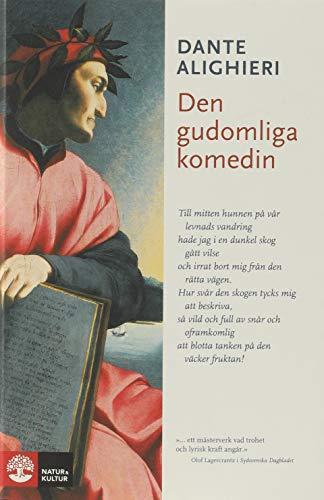
Björn recenserade Den gudomliga komedin av Dante Alighieri
None
3 stjärnor
3/5 to one of the most important literary works of all time? Seriously?
Well, yeah. That's for my experience of it, not for the work itself. Because while there's no denying the influence of Dante both on literature, culture and faith, fact remains (at least for me) that unless you know a lot both about antique mythology, mediaeval theology and 13th century Italian politics, reading it becomes a bit of a chore at times. There are passages of absolute beauty, with ideas and arguments that still carry weight (even if I don't always agree with them - Dante's Catholic apologism, or his call for a strong moral leader, however sympathetic his reasoning). And then there are long, and rather mean-spirited, lists of people who deserve to be punished because Dante doesn't like them. And even if this edition has 100 pages of footnotes with all the details you might want …
3/5 to one of the most important literary works of all time? Seriously?
Well, yeah. That's for my experience of it, not for the work itself. Because while there's no denying the influence of Dante both on literature, culture and faith, fact remains (at least for me) that unless you know a lot both about antique mythology, mediaeval theology and 13th century Italian politics, reading it becomes a bit of a chore at times. There are passages of absolute beauty, with ideas and arguments that still carry weight (even if I don't always agree with them - Dante's Catholic apologism, or his call for a strong moral leader, however sympathetic his reasoning). And then there are long, and rather mean-spirited, lists of people who deserve to be punished because Dante doesn't like them. And even if this edition has 100 pages of footnotes with all the details you might want to know, it still doesn't make for very contemplative reading when you have to look up the meaning of every other line, and nor does knowing the background necessarily make those passages any more relevant. On the other hand, it's also worth noting to a modern scientifically minded reader just how learnéd this representative of the supposed dark ages was, how sharp his reasoning even if he doesn't have all the facts. (Anyone claiming everyone believed the Earth was flat until Columbus should get smacked upside the head with this book, and it's heavy.)
Then again, that is one of the things I like about The Divine Comedy - that it's so very obviously human, and comes across a bit more comedic than perhaps Dante intended, without losing any of its power. Dante decries vanity, pride, excess and vengefulness, while spending 99 songs elevating his ex to sainthood, his political enemies to examples of the worst torture he could devise, and himself to prophet and heir to Virgil. (Virgil who, much like Dante, made up his own additions to older myths and then had people believe it - the line between poetic license and history was a lot thinner, or at least more obviously thin.)
I expected to be thrilled by Inferno, and I was, but I have to say Paradise gets unfairly overlooked. While a lot of it is simply Dante having Beatrice and various biblical figures explain the apparent unfairness of the world with "Because God says so, and because everyone is in their right place and shouldn't aspire to more, so there", it's also home to some real beauty as Dante tries to fuse a complete understanding of the world and its myths with sheer passion and ecstasy. A light shines through this book; I read it as human, through Dante and (the brilliant translation by) Ingvar Björkeson. I blast John Coltrane for the last few songs. From chaos, order. From order, chaos. Call that the hundredth song.