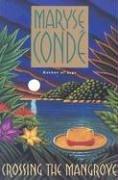

Björn recenserade Crossing the Mangrove av Maryse Condé
None
3 stjärnor
It starts with a death; the mysterious stranger who came to the little Guadeloupan town years earlier is found dead, the entire town comes to his wake - his enemies, his mistresses, his friends - and all have their own image of him. It's not miles from Mahfouz's Akhenaten: Dweller in Truth in that way; the truth about a man nobody really knew is different for everyone. The question who killed him soon becomes so irrelevant that I find myself realising after I've put the book down that I forgot about looking for clues to his death, instead looking for clues to his life.
Of course, it's not about him, it's about the society he winds up in. Condé's sketch of Guadeloupe here won't win her any points with the tourist board, but it's beautifully complex, mixing the lingering effects of centuries of colonialism - both physical and mental, geographical …
It starts with a death; the mysterious stranger who came to the little Guadeloupan town years earlier is found dead, the entire town comes to his wake - his enemies, his mistresses, his friends - and all have their own image of him. It's not miles from Mahfouz's Akhenaten: Dweller in Truth in that way; the truth about a man nobody really knew is different for everyone. The question who killed him soon becomes so irrelevant that I find myself realising after I've put the book down that I forgot about looking for clues to his death, instead looking for clues to his life.
Of course, it's not about him, it's about the society he winds up in. Condé's sketch of Guadeloupe here won't win her any points with the tourist board, but it's beautifully complex, mixing the lingering effects of centuries of colonialism - both physical and mental, geographical and internal; the need to not be the one who gets dominated, whether on account of your skin or your gender, even if it means letting yourself be dominated in a manner of your own choosing. Etc. Condé switches POV and narration with every chapter, from the poetic to the harsh, and every time we see a new side of the supposed protagonist it seems to contradict the last one. She gives a multitude of voices to people who are (by others) supposed to be uniform, either in their négritude or their own disdain for it. One of those novels I find myself admiring more than I love it - it probably deserves a higher rating, but something about it frustrates me; I want to know more, I want to see more, I want those half-spoken things explored rather than swirled into a mystery that doesn't unpack itself. Maybe I should pick up Segu.