None
3 stjärnor
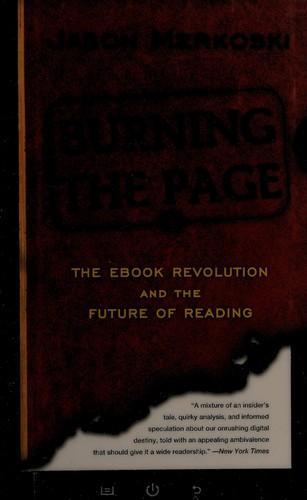
Merkoski was in on the ground floor of the ebook development; one of the first to write hyperlinked novels on the web, one of the chief architects of the Kindle, and now apparently all-round Book Future guru. Burning The Page is about all of that - how we (or well, Amazon in particular and the US market in general) got to where they are today, what it means for the publishing business, and where it'll go from here. It's interesting stuff, and anyone interested in the digital transformation of the book business and society at large should find some interesting points here. Merkoski isn't a bad writer, even though (and this is a pretty general problem with these kinds of books) his exaggeratedly conversational musings repeat some points endlessly and make the book seem more like his personal memoir at times, which gets a little tiring in the long run. …
Merkoski was in on the ground floor of the ebook development; one of the first to write hyperlinked novels on the web, one of the chief architects of the Kindle, and now apparently all-round Book Future guru. Burning The Page is about all of that - how we (or well, Amazon in particular and the US market in general) got to where they are today, what it means for the publishing business, and where it'll go from here. It's interesting stuff, and anyone interested in the digital transformation of the book business and society at large should find some interesting points here. Merkoski isn't a bad writer, even though (and this is a pretty general problem with these kinds of books) his exaggeratedly conversational musings repeat some points endlessly and make the book seem more like his personal memoir at times, which gets a little tiring in the long run. It also highlights one of the central problems of the book: it's very much Merkoski's view of how things work from his horizon and where he thinks the future will take the book. And as much as he likes to talk about his own love of reading (which I don't doubt) and refer to other books, his view of reading is very much technology-focussed. He can conceive of a world in which reading turns into a multimedia bonanza of moving images and portable miniprojectors, but not one where e-books are DRM-free. He's open about the shortcomings of digital, but can't imagine that paper books won't be completely gone in just a few years. He can stare for ages at the technical possibilities of what you can do with a text, but says very little about how the market will actually work. And so on.
As one of the first proper histories of the digitization of the book industry, written by someone who was right there, it's a good read. But it needs a few pinches of salt and a few extra spices.